

ancient knowledge : ค้นหาหนังสือธรรมะ หน้า 1 / 1
หน้าหนังสือทั้งหมด
10
The Search for Knowledge and Freedom from Suffering
the day we lie on our deathbed, facing the reality of our mortal impermanence,
with all our fears returning to confront us once more.
Knowledge or wisdom that reveals the truth has and will always pr
When we confront our mortality, knowledge reveals truth and offers a path to peace. Ignorance leads to fear, prompting the pursuit of wisdom to alleviate suffering. We seek answers to life's fundament
16
The Virtues of a Good Teacher
holdes that knowledge. A good trainer must guide the pupil to utilize knowledge only in a positive and beneficial way. That way, knowledge will be useful not only for the one who possesses that knowle
A good teacher plays a pivotal role in guiding students to use knowledge positively. Essential qualities include understanding the ingredients to effective teaching, instilling good habits, and creati
32
The Complete Teacher: Integrating Academic Excellence and Dhamma in Education
Chapter 3
directly and indirectly so that students can understand and learn thoroughly. This requires trainers who have not only the first level of wisdom, which is from memorization, but also from t
บทนี้อธิบายถึงความสำคัญของครูในฐานะที่เป็นแบบอย่างและการผสมผสานความรู้ทางวิชาการเข้ากับธรรม เพื่อช่วยให้นักเรียนเติบโตเป็นคนดี เนื้อหายังกล่าวถึงระดับความเข้าใจที่พระพุทธเจ้าสอนเกี่ยวกับชีวิต สี่ขั้นต
28
Insights into the Three Cycles and Twelve Components of Suffering
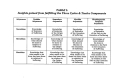
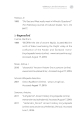
TABLE I:
Insights gained from fulfilling the Three Cycles & Twelve Components
| Ariyasacca | Dukkha Ariyasacca | Samudya Ariyasacca | Nirodha Ariyasacca | Nirodhagamini Patipada Ariyasacca |
| ---
This table outlines insights into suffering through the lens of the Four Noble Truths in Buddhism. Each Ariyasacca component provides a deeper understanding of suffering, including its existence, orig
42
การพบกันจริงระหว่างตะวันออกและตะวันตกในคำถามของมิลินดา?
YAROSLAV, V.
1993 "Did East and West really meet in Milinda's Questions?"
The Petersburg Journal of Cultural Studies. Vol 1, (1): 64-77.
3. ข้อมูลออนไลน์
CARTER, Marthal L.
1989 "BEGRĀM the site of a
บทความนี้สำรวจว่ามีการพบกันจริงระหว่างตะวันออกและตะวันตกในคำถามของมิลินดาตามที่ระบุในงานศึกษาโดย Yaroslav. การอภิปรายนี้อาจช่วยให้เราเข้าใจบทบาทของวรรณกรรมและวัฒนธรรมในการสร้างสะพานระหว่างความเชื่อมโย
33
True Education: The Path to Enlightenment
TRAINING FOR LIVING AND TRAINING FOR LIFE
The True Goal of Education
True education is akin to an elementary level of achieving three different levels of wisdom or knowledge. The wisdom from listenin
True education encompasses attaining wisdom through listening, analyzing, and ultimately through meditation. The journey to enlightenment involves purifying the mind from kilesa. Just as a fisherman n
205
Understanding the Noble Truths and the Path to Cessation of Suffering
must be done has been done in relation to Suffering.
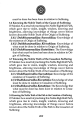
3.6 Knowing the Noble Truth of the Cause of Suffering
O! Monks! As a result of practising this Noble Eightfold Path, which gave rise to vision, ins
This text discusses the Noble Truths in Buddhism, specifically focusing on the knowledge related to the Origin of Suffering, the Cessation of Suffering, and the path leading to that cessation. Through
27
Understanding the Four Noble Truths in Buddhism
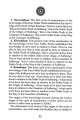
**1. Saccaṇāṇa:** This first cycle of examination of the knowledge of the Four Noble Truths established the knowledge of the Truth of their Existence. Thus he was to find out: 'this is the Noble Truth
This text outlines the process of examining the Four Noble Truths in Buddhism through three cycles: Saccaṇāṇa (knowledge of existence), Kiccāṇāṇa (knowledge of duty), and Kataṇāṇa (knowledge of fulfil
213
Understanding Suffering and Its Origin
aloko udāpadi. must be done in relation to Suffering.
<3.5.3> Ta
This text discusses the detailed understanding of suffering as articulated by monks. It highlights the arising of wisdom, knowledge, and brightness concerning truths about suffering and its origin tha

51
ประเภทของครอบครัวในการเลี้ยงดูเด็ก
In some families, we see virtuous parents have intelligent
children, but the parents do not know how to raise them. As a
result, the children turn out to be troublesome and the parents
are puzzled ove
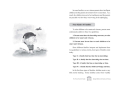
Four Kinds of Families To raise children to be smart and virtuous, parents must continuously adhere to these two guidelines. 1. Parents must have the knowledge necessary to raise children to be smart
51
Raising Children to Be Smart and Virtuous
In some families, we see virtuous parents have intelligent
children, but the parents do not know how to raise them. As a
result, the children turn out to be troublesome and the parents
are puzzled ove
In families, virtuous parents may have intelligent children but struggle with proper upbringing. Successful child-rearing depends on parents having knowledge and time. The text identifies four types o
60
Dhammakaya Knowledge: The Five Aspects of Natural Law
The Dhammakaya Knowledge (Vijja10 Dhammakaya) is a profound knowledge that deals with the ‘Five Aspects of Natural Law’, the Law that governs all things. They include Biological Law, which governs all
The Dhammakaya Knowledge (Vijja10 Dhammakaya) focuses on the Five Aspects of Natural Law, including Biological, Chemical, Psychic, Karmic Laws, and the Law of Cause and Effect. This knowledge reveals
206
Knowledge of the Path to Cessation of Suffering
3.8.1 Dukkhanirodhagāminī Saccāṇa: Knowledge of the existence of Path to the Cessation of Suffering.
3.8.2 Dukkhanirodhagāminī Kiccaṇāṇa: Knowledge of what must be done in relation to Path to the Ces
This text discusses the twelve stages of the Cycle of Examination derived from the Four Noble Truths and their relation to enlightenment. It elaborates on the three circuits: knowledge of existence, k
25
The Ancient Wisdom of Dhammakaya
An Ancient Secret for the New Millennium
or "The Body of Truth". It is an ancient word which
appears in various versions of Buddhist scriptures
used by various Buddhist traditions, including
the Thera
The concept of Dhammakaya, meaning 'the Body of Truth,' has deep roots in Buddhist scriptures across various traditions, including Theravada, Mahayana, and Vajrayana. Despite its ancient origins, know
8
The Importance of Indigenous Scholarly Voices in Buddhist Studies
instance, are of non-Japanese origin). But DIRI is crucial for fostering many and varied 'indigenous scholarly voices' - of those who can speak more and more confidently within contemporary academic f
This text highlights the significance of DIRI in promoting indigenous scholarly voices in Buddhist studies. It discusses how the journal can facilitate knowledge sharing, consultation among experts, a

70
หนังสือ Ancient Buddhist Scrolls from Gandhara
หนังสัอเทศ - หนังทียอารม
เปิดโลกทัศน์หนังสือต่างประเทศที่เกี่ยวกับพุทธศาสนา
อรุณลักษณ์ ไชยนันทน์
Ancient
Buddhist
Scrolls
from
Gandhara
The British Library
Kharoşthi Fragments
RICHARD
SALOMON
Ancient
Scrolls from Gandhara The British Library Kharoşthi Fragments RICHARD SALOMON Ancient Buddhist Scrolls from Gandhara คัมภีร์พุทธศาสนาที่มีอายุเก่าแก่ที่สุดในโลก หนังสือที่ยิ่งใหญ่จะต้องเป็นหนังสือที่น
51
Four Types of Families and Child Upbringing
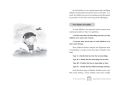
In some families, we see virtuous parents have intelligent children, but the parents do not know how to raise them. As a result, the children turn out to be troublesome and the parents are puzzled ove
In family dynamics, virtuous parents often face challenges in raising intelligent children due to a lack of knowledge or time. Four family types emerge: those with time but no knowledge, knowledge but
15
Understanding the Eternal Punishment of Life and the Role of Educators
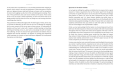
In this prison there is punishment. It is not normal punishment like whipping or torture, which comes to an end; the punishment in this prison goes on forever and ever. Ageing, sickness, death and bir
This content discusses the perpetual punishment of existence, highlighting how suffering is inherent in our lives through age, sickness, and basic needs. It emphasizes the necessity for mindful teachi
90
Untitled
cause only the adepts of Vijiā Dhammakāya could work as a team to plumb the subtle recesses of the human psyche.
Shortly after the inception of the meditation workshop a capable disciple of Kuhn Yay
N/A
30
The Essential Role of Teachers in Education
knowledge or science in a way that encourages absorption while correctly and
clearly conveying the subject matter to the pupil.
To be skilled in the art of teaching, teachers must not only deliver the
Teachers play a crucial role in shaping students by blending academic knowledge with moral guidance. A clear understanding of their responsibilities can empower teachers to produce not only intelligen